Article: Nordic Wall Art: The Power of Texture in Minimalist Interiors
Nordic Wall Art: The Power of Texture in Minimalist Interiors
Nordic Wall Art: The Power of Texture in Minimalist Interiors
In Scandinavian design, walls are not merely boundaries—they are canvases for texture, light, and organic warmth. While minimalist interiors often embrace white walls and clean lines, Nordic homes understand that true minimalism isn't about emptiness, but about intentional curation. This comprehensive guide explores how textural wall art transforms minimalist spaces from stark to serene, creating depth and interest without sacrificing the restraint that defines Nordic aesthetics.
Why Texture Matters in Minimalist Design
When you reduce color and pattern to their essence, texture becomes the primary tool for creating visual interest. In Nordic interiors, textural elements serve multiple purposes:
Visual Warmth Without Clutter
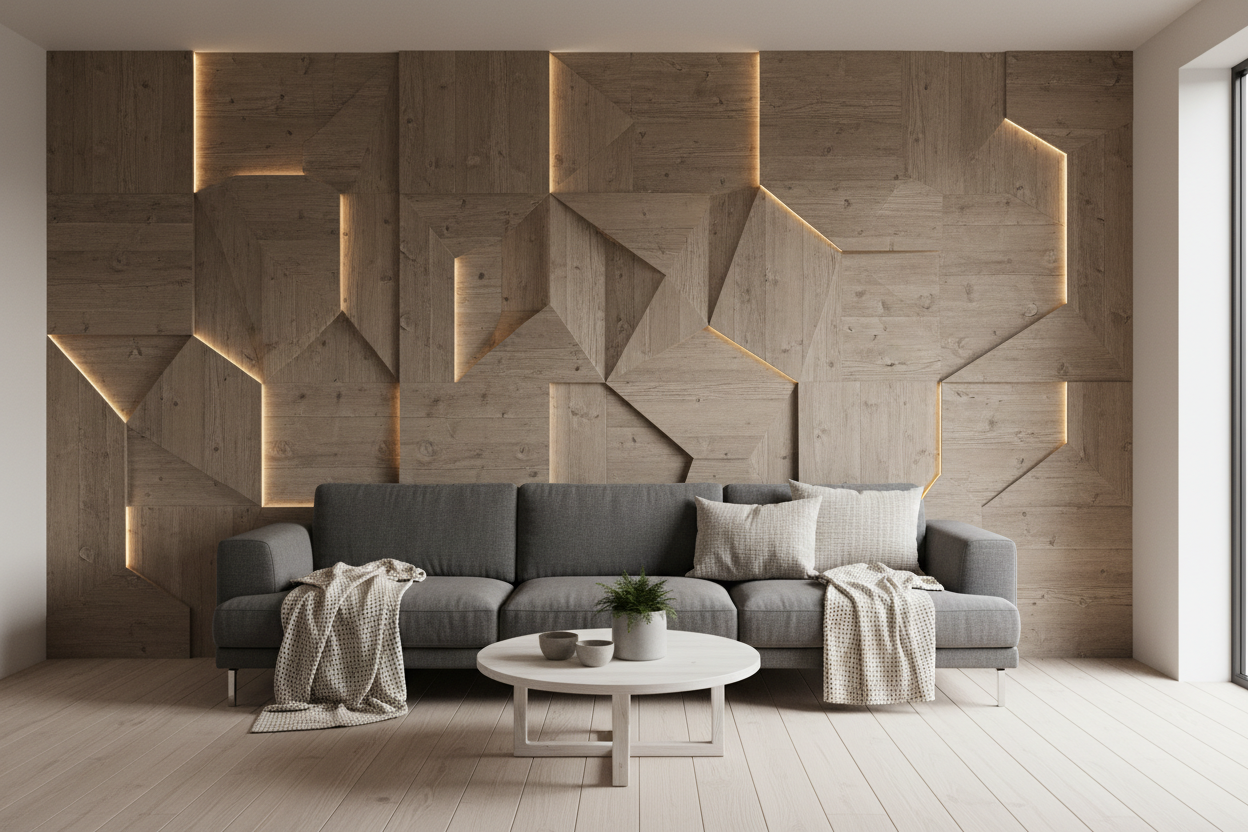
White walls and minimal furniture can feel cold without the softening influence of texture. Reclaimed wood wall panels add organic warmth while maintaining clean lines—the perfect balance between minimalism and comfort.
Dynamic Light Interaction
Three-dimensional surfaces create ever-changing plays of light and shadow throughout the day. As Nordic light shifts—soft and diffused in winter, bright and extended in summer—textural walls reveal new depths and details, making your space feel alive and responsive to natural rhythms.
Acoustic Softening
Hard surfaces in minimalist interiors can create echo and harshness. Textural wall elements, particularly those made from natural wood, absorb and diffuse sound, creating more comfortable acoustic environments for living and conversation.
Biophilic Connection
Humans are hardwired to respond positively to natural materials and organic patterns. Bringing wood, stone, and natural textures into your interior satisfies this innate need for connection to nature—especially important in urban environments where access to the outdoors may be limited.
Reclaimed Wood: The Ultimate Nordic Wall Art
Why Reclaimed Wood Defines Sustainable Luxury
Reclaimed wood embodies everything Nordic design values: environmental responsibility, authentic materials, unique character, and timeless appeal. Each piece of reclaimed teak wall art tells a story—the wood has lived a previous life and now finds new purpose as functional sculpture.
Environmental Benefits:
- Zero demand for virgin timber—you're using existing resources
- Minimal processing required—the wood's natural patina is the finish
- Carbon already sequestered—no new environmental impact
- Supports circular economy principles
Aesthetic Advantages:
- Unique grain patterns and color variations impossible to replicate
- Natural weathering creates depth and character
- Each piece is genuinely one-of-a-kind
- Ages beautifully, developing richer patina over time
Types of Textural Wood Panels
Abstract Patterns: Organic Movement
The abstract embossed teak panel features free-form patterns that evoke natural landscapes—flowing water, wind-carved sand, organic growth. This style works beautifully in:
- Living rooms: Above sofas as a focal point that draws the eye without overwhelming
- Bedrooms: Behind the bed as a textural headboard alternative
- Entryways: Creating immediate visual interest and warmth upon entering
The abstract nature means it complements any decor style—from ultra-modern to warm transitional—making it a versatile investment piece.
Geometric Patterns: Structured Elegance
The diamond pattern teak panel brings architectural precision to organic materials. The geometric repetition creates:
- Visual rhythm that guides the eye across the surface
- Predictable light and shadow patterns that change throughout the day
- A bridge between natural materials and modern aesthetics
- Perfect harmony with Nordic design's love of geometry and order
Ideal for spaces that lean more contemporary or where you want to balance organic elements with structured design.
Block Patterns: Minimalist Grid
The block pattern panel represents minimalism at its purest—a simple grid that creates dimension without decoration. This style excels in:
- Modern interiors: Where clean lines and geometric order reign
- Small spaces: The regular pattern doesn't overwhelm limited square footage
- Monochromatic schemes: Adding texture without introducing new colors
The block pattern proves that minimalism doesn't mean boring—it means intentional, refined, and perfectly balanced.
Styling Textural Wall Art: Room by Room
Living Room: Creating Focal Points
Above the Sofa:
The most common placement for textural wall art. Choose a panel that spans 2/3 to 3/4 of your sofa's width for proper visual balance. Hang it 6-8 inches above the sofa back, creating connection without crowding.
Styling tips:
- Keep surrounding walls minimal—let the texture be the star
- Balance with soft textiles—linen cushions, wool throws
- Add one or two ceramic vases on the coffee table to echo organic materials
- Use warm, dimmable lighting to enhance shadow play
Accent Wall:
For dramatic impact, cover an entire wall with multiple panels. This works beautifully in:
- Behind media consoles—adding warmth to technology-heavy zones
- Fireplace surrounds—creating organic frames for fire features
- Dining areas—defining the space while adding acoustic softening
Bedroom: Textural Serenity
Headboard Alternative:
Replace traditional upholstered headboards with reclaimed wood panels for a look that's both organic and architectural. Benefits include:
- No fabric to collect dust—better for allergies
- Natural materials support better sleep environments
- Creates visual anchor without bulk
- Pairs beautifully with organic linen bedding
Styling tips:
- Center panel behind bed, extending 12-18 inches beyond mattress width
- Keep nightstands minimal—let the wall be the statement
- Add soft lighting—wall sconces or pendant lights—to highlight texture
- Layer with natural textiles in complementary neutral tones
Home Office: Productive Texture
Behind the Desk:
For those who work from home and appear on video calls, a textural wall creates professional, interesting backgrounds that don't distract. The natural wood adds warmth to what can otherwise feel like sterile work environments.
Styling tips:
- Position panel to appear in video frame—instant upgrade to virtual presence
- Balance with minimal desk accessories—one ceramic vessel, perhaps a small plant
- Ensure good lighting to showcase texture without creating harsh shadows
- Keep surrounding walls clean to maintain focus
Dining Room: Acoustic Elegance
Feature Wall:
Dining rooms benefit enormously from textural walls—they soften acoustics during gatherings while creating sophisticated backdrops for entertaining.
Styling tips:
- Install panels on the wall most visible when seated
- Pair with simple pendant lighting that casts interesting shadows
- Keep table settings minimal to let the wall shine
- Add one statement vase as centerpiece
Installation and Placement: Technical Considerations
Proper Height and Spacing
Eye Level Rule:
The center of your wall art should sit at approximately 57-60 inches from the floor—standard gallery height that feels natural to the human eye.
Furniture Relationship:
- Above furniture: 6-8 inches of space between furniture top and art bottom
- Standalone: Center at eye level, considering room's primary viewing angle
- Full wall: Floor to ceiling or stopping 12-18 inches from ceiling
Lighting for Maximum Impact
Natural Light:
Position textural panels where they'll catch natural light throughout the day. North-facing walls receive consistent, diffused light—perfect for showcasing subtle texture. East or west walls create dramatic shadow play as light angles change.
Artificial Light:
- Grazing light: Position fixtures to cast light across the surface at an angle, emphasizing texture
- Spotlights: Create dramatic focal points with directed lighting
- Ambient lighting: Soft, diffused light for subtle texture revelation
- Dimmers: Essential for controlling mood and shadow intensity
Multiple Panel Arrangements
Grid Layout:
Arrange 4-6 panels in a perfect grid for modern, architectural impact. Maintain consistent spacing (2-4 inches) between panels for cohesive appearance.
Asymmetric Arrangement:
Mix different sizes and patterns for dynamic, gallery-style walls. Maintain visual balance by distributing visual weight evenly.
Linear Series:
Arrange 2-3 panels horizontally for wide walls or vertically for height emphasis. This works beautifully in hallways or narrow spaces.
Complementary Elements: Building a Cohesive Look
Color Palette Harmony
Reclaimed teak naturally features warm browns, honey tones, and grey undertones. Build your palette around these:
Monochromatic Approach:
- Whites, creams, and warm greys
- Natural linen and organic cotton textiles
- Ceramic and stone in neutral tones
- Result: Serene, spa-like atmosphere
Warm Contrast:
- Deep charcoals and blacks for grounding
- Rust, terracotta, or burnt orange accents
- Brass or copper metallic touches
- Result: Cozy, inviting warmth
Cool Balance:
- Soft blues and greens
- Cool greys and slate tones
- Chrome or brushed nickel accents
- Result: Calm, balanced sophistication
Material Layering
Create depth by layering multiple natural materials:
- Wood + Ceramic: Textural wall panels paired with handcrafted vases
- Wood + Textile: Panels with linen curtains, wool throws, organic cotton cushions
- Wood + Metal: Warm wood with brass lighting or black iron accents
- Wood + Stone: Panels with marble surfaces or stone accessories
The key is variety in texture while maintaining restraint in quantity—3-4 different materials maximum.
Living Elements
Balance the static nature of wall art with living plants:
- Large floor plants: Fiddle leaf fig or bird of paradise in sculptural planters
- Trailing plants: Pothos or philodendron on shelves near panels
- Sculptural succulents: In ceramic vessels on surfaces below wall art
Plants add movement, purify air, and strengthen the biophilic connection that makes Nordic interiors feel so nurturing.
Beyond Wood: Other Textural Wall Options
Woven Textiles
Large-scale woven wall hangings in natural fibers (jute, wool, cotton) provide soft texture that complements hard surfaces. Perfect for bedrooms and spaces where acoustic softening is priority.
Three-Dimensional Ceramic
Ceramic wall sculptures or tile installations add organic texture with different material qualities than wood. Excellent in bathrooms or kitchens where moisture is a consideration.
Natural Stone
Stone accent walls or panels bring geological texture and thermal mass. Works beautifully around fireplaces or in entryways where durability matters.
Mixed Media
Combine materials—wood with metal inlays, ceramic with wood frames, stone with textile elements—for unique, custom installations that tell personal stories.
Maintenance and Care: Preserving Natural Beauty
Regular Maintenance
Dusting:
- Use soft, dry microfiber cloths weekly
- For textured surfaces, use soft brush attachments on vacuum
- Avoid wet cleaning unless specifically needed
Conditioning:
- Apply natural wood oil annually to maintain luster
- Use products specifically designed for reclaimed wood
- Test in inconspicuous areas first
Environmental Considerations
Humidity Control:
Wood responds to humidity changes. Maintain 40-60% relative humidity to prevent excessive expansion or contraction. Use humidifiers in winter, dehumidifiers in summer if needed.
Direct Sunlight:
While reclaimed wood is already weathered, prolonged direct sunlight can cause uneven fading. Use sheer curtains to diffuse harsh afternoon sun if panels are on west-facing walls.
Long-Term Evolution
Understand that natural materials evolve over time—this is a feature, not a flaw:
- Wood may darken or lighten slightly with age
- Patina will deepen, adding character
- Small cracks or checks may develop—these add authenticity
- The piece becomes more uniquely yours over time
Investment Value: Why Textural Wall Art Pays Off
Financial Perspective
Quality reclaimed wood wall panels represent smart financial investment:
- Longevity: Lasts decades with minimal maintenance
- Timelessness: Never goes out of style, no need to replace
- Home value: Adds perceived value to property
- Versatility: Moves with you to new homes
Compare to trendy wallpaper or paint treatments that require updating every 3-5 years—the true cost of quality becomes clear.
Emotional Return
Beyond finances, textural wall art provides daily satisfaction:
- Visual interest that never becomes boring
- Tactile pleasure from natural materials
- Pride in sustainable, ethical choices
- Connection to nature within your home
- Conversation pieces that tell stories
Creating Your Nordic Wall Art Strategy
Start Small, Think Big
Phase 1: Begin with one statement piece in your most-used room
- Choose a single panel that speaks to you
- Install and live with it for a month
- Observe how light interacts throughout the day
- Notice how it changes the room's energy
Phase 2: Expand to complementary spaces
- Add panels to adjacent rooms for visual flow
- Maintain consistent style or mix patterns intentionally
- Build a cohesive narrative throughout your home
Phase 3: Refine and perfect
- Adjust lighting to optimize texture revelation
- Add complementary elements—textiles, ceramics, plants
- Remove anything that competes for attention
- Achieve the Nordic ideal: perfectly balanced, nothing more, nothing less
Final Thoughts: Texture as Soul
In Nordic design philosophy, texture is what transforms minimalist spaces from cold to warm, from empty to serene, from stark to soulful. Textural wall art—particularly reclaimed wood panels—brings the organic world indoors, creating homes that nurture rather than merely shelter.
This is not decoration for decoration's sake. This is intentional design that serves multiple purposes: environmental responsibility through reclaimed materials, visual interest through three-dimensional surfaces, acoustic comfort through sound absorption, and biophilic connection through natural elements.
When you choose textural wall art, you're not just filling a wall—you're creating a living element that evolves with light, seasons, and time. You're investing in sustainable luxury that will serve you for decades. You're bringing the Nordic principle of lagom into your home: not too much, not too little, but exactly right.
Welcome to the power of texture in minimalist interiors. Welcome to walls that breathe, inspire, and transform.