Sustainable Luxury: The Nordic Approach to Eco-Conscious Home Decor
Sustainable Luxury: The Nordic Approach to Eco-Conscious Home Decor
In Scandinavian design philosophy, sustainability and luxury have never been opposing forces—they are inseparable partners in creating homes that honor both aesthetic excellence and environmental responsibility. This comprehensive guide explores how Nordic principles redefine luxury for the conscious consumer, proving that the most beautiful interiors are those that tread lightly on the earth.
Redefining Luxury: The Nordic Perspective
Traditional luxury often equates to excess—more materials, more embellishment, more consumption. Nordic luxury takes the opposite approach: less is more, quality over quantity, longevity over trends. This philosophy creates interiors that are simultaneously more beautiful and more sustainable than their maximalist counterparts.
The Three Pillars of Sustainable Nordic Design
1. Honest Materials: Choose natural, renewable, and reclaimed materials that age beautifully rather than deteriorate. Wood, stone, linen, wool, and ceramic—materials that have served humanity for millennia and will continue to do so.
2. Timeless Design: Invest in pieces with enduring aesthetic appeal that transcend seasonal trends. When objects remain relevant for decades, they don't end up in landfills.
3. Intentional Curation: Own fewer things, but own better things. Every object must justify its presence through beauty, function, or emotional resonance.
Sustainable Materials: The Foundation of Eco-Luxury
Reclaimed Wood: Beauty with a History
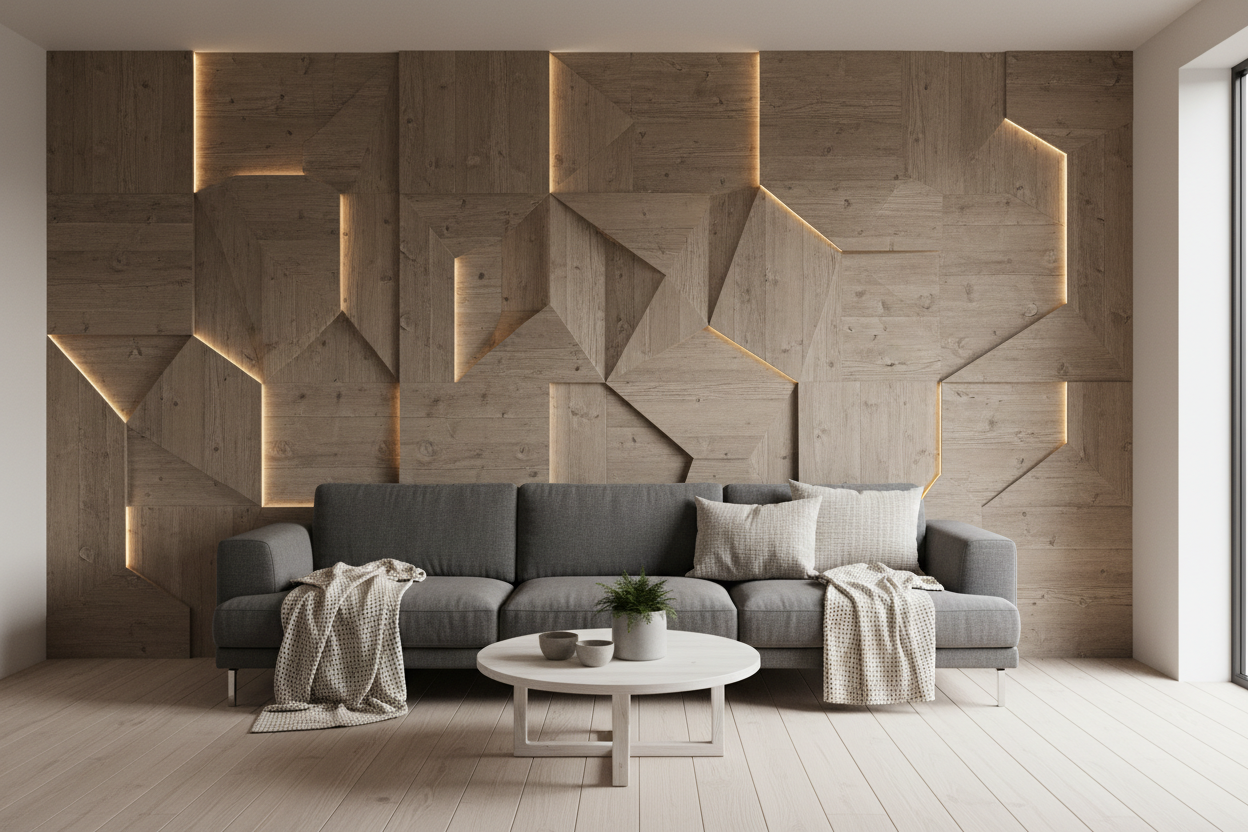
Reclaimed wood embodies sustainable luxury at its finest. Reclaimed teak wall panels and furniture pieces give new life to materials that have already served their purpose, reducing demand for virgin timber while adding character that new wood simply cannot replicate.
Why reclaimed wood is superior:
- Unique patina and grain patterns developed over decades
- Superior stability—the wood has already undergone its natural expansion and contraction cycles
- Environmental impact near zero—you're using existing resources
- Each piece tells a story, adding narrative depth to your interior
In Nordic interiors, reclaimed wood appears as textural wall art, furniture accents, and architectural elements—bringing warmth and authenticity to minimalist spaces.
Organic Textiles: Comfort Without Compromise
Scandinavian homes embrace natural fibers that are both luxurious to touch and gentle on the environment:
Linen: Requires minimal water and pesticides to grow, improves with age, and provides natural temperature regulation. Perfect for bedding, curtains, and upholstery.
Organic Wool: Renewable, biodegradable, and naturally flame-resistant. Ideal for throws, rugs, and cushions that add textural warmth.
Organic Cotton: When grown without harmful chemicals, cotton becomes a sustainable choice for towels, bedding, and everyday textiles.
These materials don't just reduce environmental impact—they actively enhance the living experience through superior breathability, durability, and tactile pleasure.
Eco-Crystal and Sustainable Glass
Modern production methods allow for eco-crystal glassware that rivals traditional crystal in clarity and weight while significantly reducing environmental impact. Look for:
- Lead-free crystal produced using renewable energy
- Recycled glass content in decorative objects
- Local production to minimize transportation emissions
- Timeless designs that won't require replacement
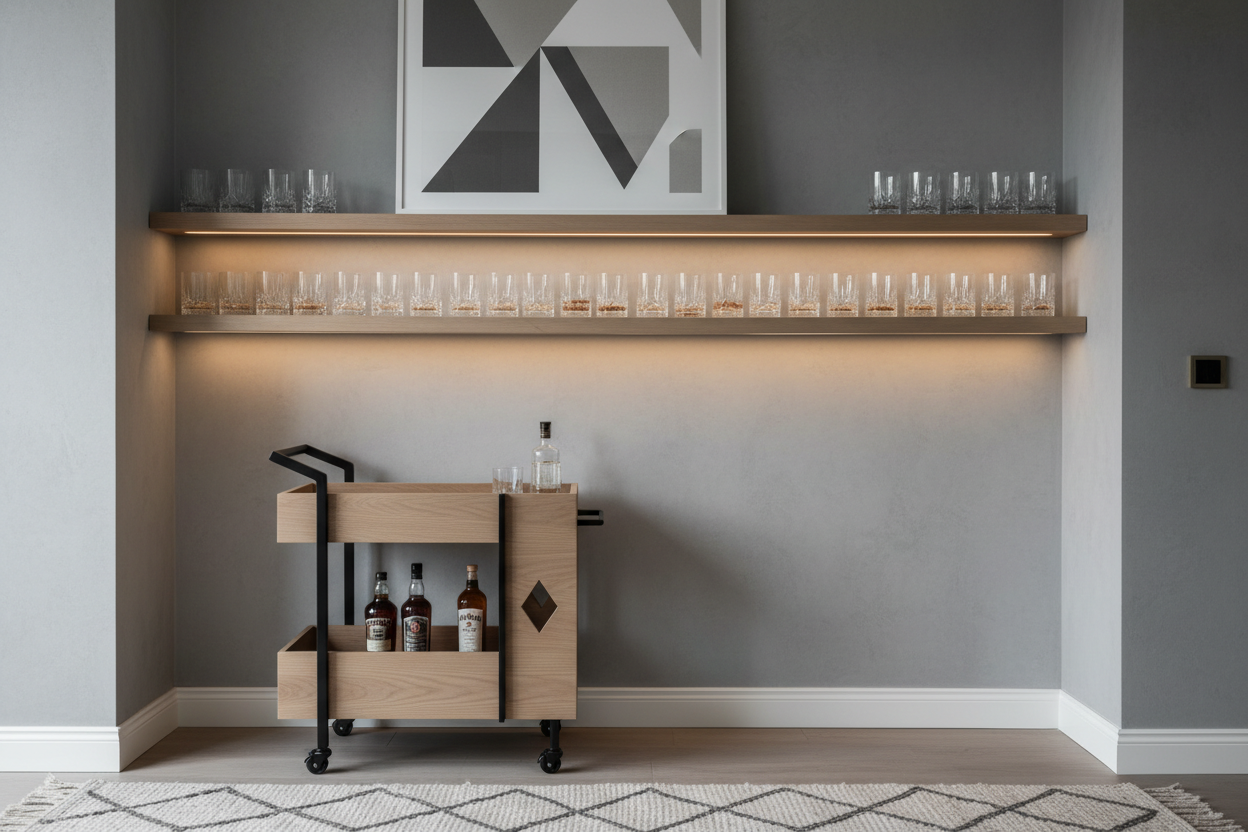
In Nordic homes, sustainable glassware appears as sculptural vases, barware, and lighting—objects that serve daily while doubling as art.
Natural Stone and Ceramic
Stone and ceramic are among humanity's oldest materials—and for good reason. They're:
- Incredibly durable, lasting centuries with minimal care
- Made from abundant natural materials
- Biodegradable at end of life
- Beautiful in their natural state, requiring no synthetic finishes
Choose handcrafted ceramic vases and vessels that celebrate the material's organic qualities—slight variations in glaze, visible throwing marks, and forms that honor the clay's nature rather than fighting it.
The Art of Buying Less, Buying Better
Investment Pieces vs. Disposable Decor
The most sustainable purchase is the one you never have to make again. Nordic design teaches us to view home decor as long-term investments rather than temporary solutions:
Instead of: Trendy fast-furniture that lasts 2-3 years
Choose: Timeless pieces built to last decades
Instead of: Seasonal decor that changes with trends
Choose: Classic objects that remain relevant regardless of fashion
Instead of: Synthetic materials that degrade quickly
Choose: Natural materials that age beautifully
The True Cost Calculation
A premium organic linen bedding set might cost three times more than synthetic alternatives. But when it lasts ten times longer, feels infinitely better, and doesn't shed microplastics into waterways, the true cost—both financial and environmental—is dramatically lower.
This is Nordic economics: pay more initially, save more over time, and reduce your environmental footprint in the process.
Curating a Sustainable Nordic Interior
The Living Room: Organic Warmth
Create a sustainable living space through:
- Reclaimed wood accents: Wall panels or furniture pieces that add texture and warmth
- Natural fiber textiles: Linen cushions, wool throws, and organic cotton upholstery
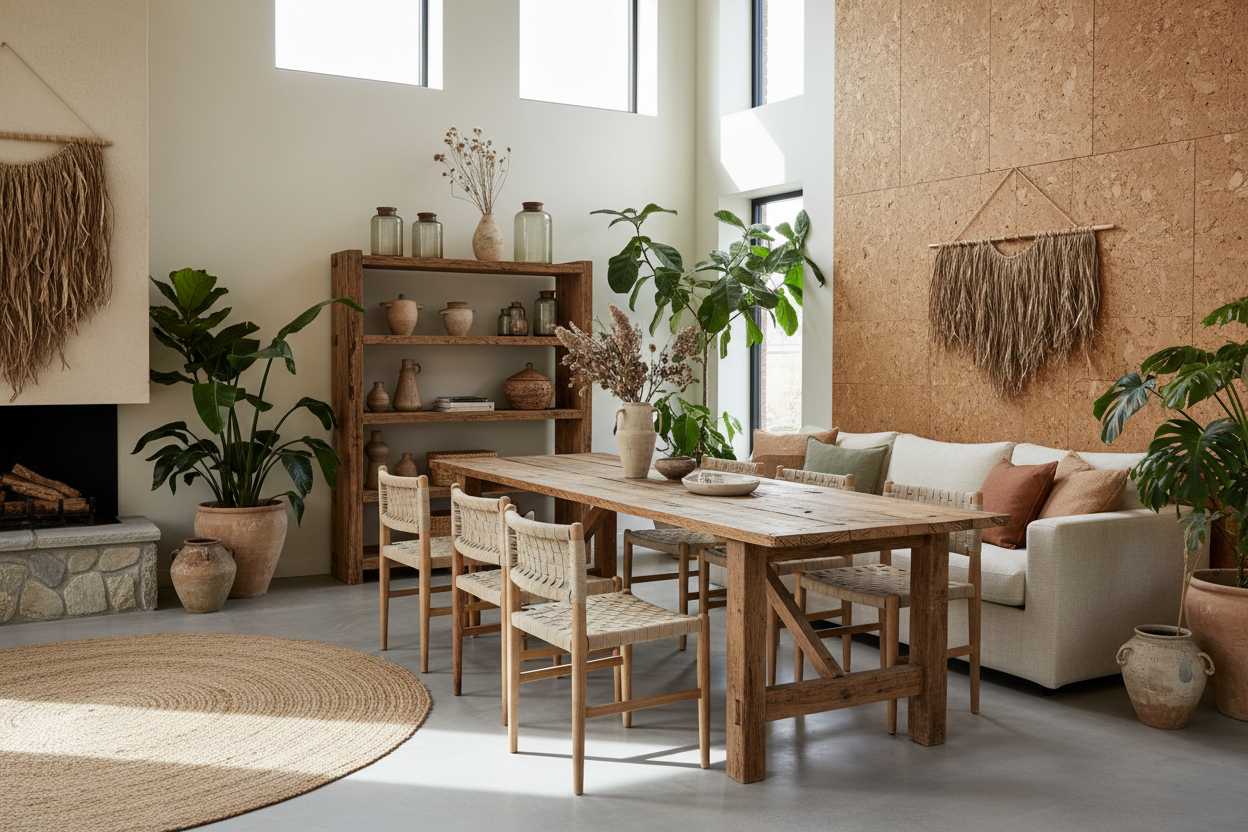
- Ceramic and glass decor: Handcrafted vases and vessels that serve as sculptural elements
- Living plants: Natural air purifiers in ceramic planters
- Minimal, quality lighting: LED fixtures with timeless design
The key is restraint—fewer objects of higher quality create more impact than rooms filled with disposable decor.
The Bedroom: Natural Sanctuary
Your bedroom should be a temple of sustainable luxury:
- Organic bedding: Linen or organic cotton in neutral tones
- Natural mattress: Organic latex or wool-filled options
- Solid wood furniture: Pieces that will serve for generations
- Minimal textiles: Quality over quantity—one exceptional throw beats five mediocre ones
- Natural scent: Soy or beeswax candles with essential oils
This creates a sleep environment free from synthetic off-gassing, filled with materials that breathe and regulate temperature naturally.
The Bathroom: Spa-Like Sustainability
Transform your bathroom into an eco-luxury spa:
- Organic towels: Premium cotton or linen that improves with washing
- Natural materials: Bamboo, teak, or stone accessories
- Refillable dispensers: Beautiful ceramic or glass containers for soaps and lotions
- Living elements: Humidity-loving plants in ceramic planters
- Natural scents: Essential oil diffusers or natural candles
Sustainable Luxury in Practice: Room by Room
Kitchen & Dining: Conscious Consumption
The kitchen is where sustainability meets daily life:
- Quality over quantity: A few exceptional pieces of glassware and barware rather than cabinets full of mediocre options
- Natural materials: Wood cutting boards, ceramic serving pieces, linen napkins
- Timeless design: Classic white dishes that never go out of style
- Reusable everything: Glass storage, cloth napkins, permanent coffee filters
Home Office: Productive Sustainability
Create a workspace that supports both productivity and environmental values:
- Solid wood desk: An investment piece that lasts a career
- Natural lighting: Position desk near windows to minimize artificial light needs
- Minimal decor: One or two meaningful objects—perhaps a ceramic vase with fresh greenery
- Quality chair: Ergonomic design that prevents replacement
- Paper reduction: Digital workflows where possible, recycled paper when necessary
The Lifecycle Approach: Beyond the Purchase
Care and Maintenance
Sustainable luxury extends beyond the initial purchase to how you care for objects:
- Natural cleaning products: Vinegar, baking soda, and plant-based soaps
- Proper storage: Protect textiles from moths with cedar, not chemicals
- Regular maintenance: Oil wood, condition leather, repair rather than replace
- Seasonal rotation: Store off-season items properly to extend lifespan
Repair, Reuse, Reimagine
Nordic culture has always valued repair over replacement:
- Mend textiles rather than discarding them
- Refinish wood furniture to refresh rather than replace
- Repurpose objects for new uses as needs change
- Pass down quality pieces to next generations
This approach transforms consumption from linear (buy-use-discard) to circular (buy-use-maintain-pass on).
Avoiding Greenwashing: True Sustainability vs. Marketing
Questions to Ask Before Purchasing
Materials:
- What is this made from? Is it renewable, recycled, or reclaimed?
- Are there certifications (FSC for wood, GOTS for textiles)?
- Will this material age beautifully or deteriorate quickly?
Production:
- Where and how was this made?
- What is the carbon footprint of production and shipping?
- Are workers paid fairly and treated ethically?
Longevity:
- Is this a timeless design or a passing trend?
- Can it be repaired if damaged?
- Will I still love this in 10 years?
Red Flags to Avoid
- Vague claims like "eco-friendly" without specifics
- Trendy designs that will look dated quickly
- Synthetic materials masquerading as natural
- Impossibly low prices that suggest poor quality or unethical production
- Excessive packaging or shipping from distant locations
The Nordic Home: A Living Example
Case Study: Transforming a Living Room
Before: Fast-furniture sofa (lifespan 3-5 years), synthetic rug, plastic decor, disposable lighting
After: Quality linen sofa (lifespan 20+ years), hand-woven wool rug, reclaimed wood wall art, ceramic vases, LED lighting with timeless design
Result:
- Initial cost: 40% higher
- Lifespan: 4x longer
- Environmental impact: 70% lower
- Daily satisfaction: Immeasurably higher
- True cost over 20 years: 60% lower
Small Changes, Big Impact
Start Where You Are
You don't need to replace everything at once. Begin with:
Month 1: Replace synthetic textiles with natural alternatives as they wear out
Month 2: Invest in one quality piece—perhaps a handcrafted ceramic vase or natural soy candle
Month 3: Audit your decor—remove items that don't bring joy or serve purpose
Month 4: Choose one room to transform using sustainable principles
Ongoing: Make every future purchase with intention, choosing quality and sustainability over convenience and price
The Ripple Effect
When you choose sustainable luxury, you:
- Support artisans and ethical manufacturers
- Reduce demand for fast-furniture and disposable decor
- Inspire others through your beautiful, intentional home
- Vote with your wallet for the kind of world you want to live in
- Create a home that nurtures rather than depletes
The Future of Luxury: Sustainable by Default
Nordic design has always understood what the rest of the world is just beginning to learn: true luxury cannot exist at the expense of the environment. The most beautiful homes are those that honor the earth, celebrate natural materials, and embrace the philosophy that less—when it's better—is infinitely more.
This is not sacrifice. This is not compromise. This is luxury redefined for a world that demands both beauty and responsibility. Welcome to sustainable Nordic living—where every object tells a story of intention, every material speaks of respect, and every room becomes a sanctuary that nurtures both inhabitants and planet.